l carnitine uses in bodybuilding
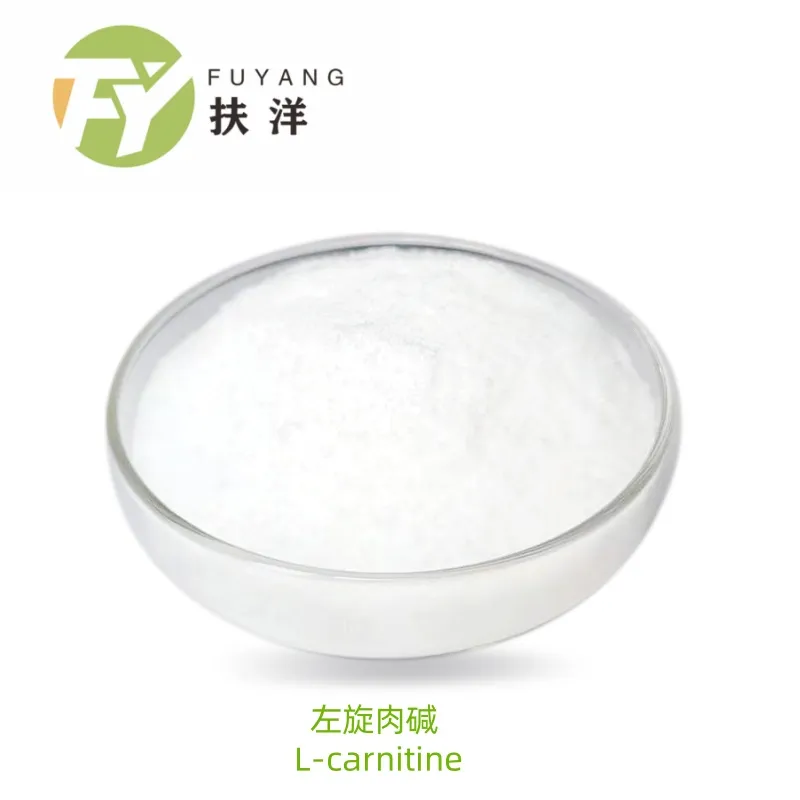
Introduction to L-Carnitine L-Carnitine is a naturally occurring compound that plays a critical role in energy production within the body. L-Carnitine functions as a carrier molecule, transporting long-chain fatty acids into the mitochondria, where they are oxidized to generate energy. This process not only enhances fat catabolism but also reduces glycogen consumption, making it a vital component in metabolic health. The product, developed by Hebei Fuyang Biotechnology Co., LTD , is designed to optimize physiological activity through precision-controlled purification and refining processes. As a white or off-white crystalline powder, L-Carnitine is widely used in nutritional supplements, pharmaceuticals, and animal feed. Its applications span across human health, livestock management, and aquaculture, offering benefits such as improved reproductive performance, stress alleviation, and enhanced growth rates in aquatic animals. Key Features and Advantages The L-Carnitine product from Hebei Fuyang Biotechnology is engineered to deliver superior physiological activity. Here are its core features: Optimal Fatty Acid Transport: Facilitates the transport of long-chain fatty acids across cell membranes into mitochondria, promoting lipid metabolic balance. Enhanced Fat Oxidation: Boosts β-oxidation and regulates the acyl-CoA/CoA ratio within mitochondria, improving energy efficiency. Improved Reproductive Performance: Enhances fertility and reproductive outcomes in male livestock and poultry. Stress Reduction: Alleviates stress, enhances stamina, and accelerates fatigue recovery in animals. Increased Growth Rates: Promotes faster growth in aquatic animals while reducing the feed conversion ratio (FCR). These advantages make L-Carnitine a valuable addition to feed formulations and health supplements, ensuring optimal performance and well-being. Technical Specifications The L-Carnitine product meets stringent quality standards, as outlined in the following table: Specification 98% L-Carnitine Content 50% L-Carnitine Content L-Carnitine Content 97.0–103.0% ≥50.0% Specific Rotation [α]ᵈ²⁰ -29–-32° -14–-17° pH 6.5–8.5 6.5–8.5 Loss on Drying ≤4.0% ≤7.0% Residue on Ignition ≤0.5% ≤45% Heavy Metals (Pb) ≤10 ppm ≤10 ppm Total Arsenic (As) ≤2 ppm ≤2 ppm Note: Complies with GB 34461-2017 "National Standard for Feed Additive L-Carnitine." Application Scenarios The L-Carnitine product is tailored for diverse applications, with recommended dosages varying by animal species: Animal Species Swine Poultry Fish Addition Level (mg/kg feed) 30–500 50–150 5–100 These dosages ensure effective metabolic support while maintaining safety and efficacy. For instance, in swine, L-Carnitine improves feed efficiency and growth rates, whereas in fish, it enhances nutrient utilization and reduces FCR. Company Background: Hebei Fuyang Biotechnology Co., LTD Hebei Fuyang Biotechnology Co., LTD is a leading manufacturer of high-purity biochemicals and nutritional additives. With a focus on innovation and quality, the company adheres to international standards to deliver products that meet the demands of global markets. Their state-of-the-art facilities and rigorous quality control processes ensure that every batch of L-Carnitine meets the highest specifications. As a trusted name in the industry, Hebei Fuyang Biotechnology is committed to sustainability and customer satisfaction. Their products are widely used in pharmaceuticals, animal nutrition, and dietary supplements, supporting health and performance across multiple sectors. Authoritative Citations and References According to the National Institute of Standards and Technology (NIST) , L-Carnitine has been extensively studied for its role in metabolic processes. NIST's research on biochemical standards highlights the importance of precise analytical methods for compounds like L-Carnitine , ensuring their reliability in scientific and industrial applications. For further details, refer to NIST's publication on biochemical standards . Reference: National Institute of Standards and Technology (NIST). "Biochemical Standards and Measurements." Retrieved from https://www.nist.gov .